Basement Waterproofing in Wyoming, MI: Protecting Your Home from the Ground Up
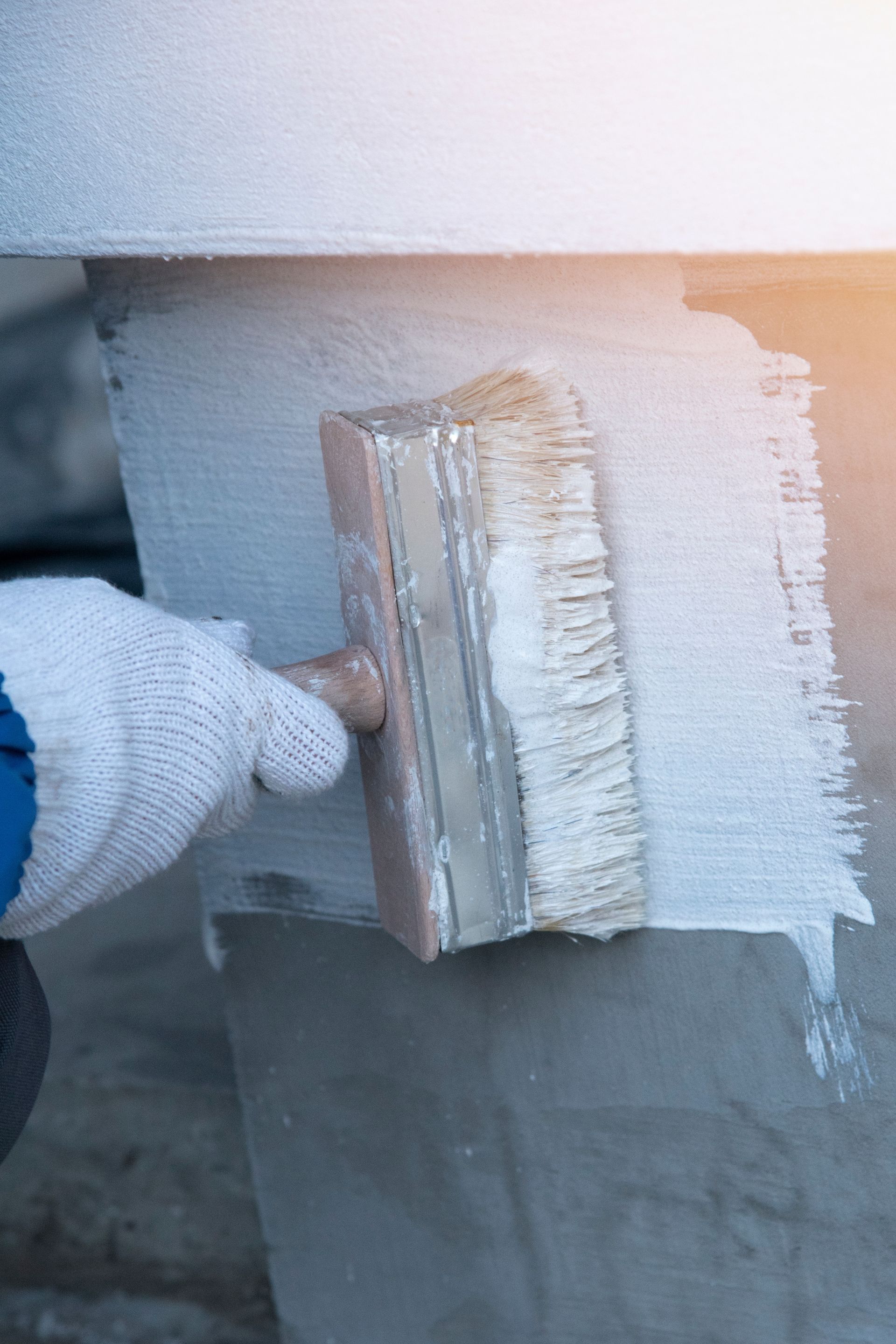
Grand Rapids sits on a mix of clay-heavy soil and glacial till that holds water long after storms pass, and that moisture eventually finds its way into basement walls and floors. Waterproofing Basements Walls provides basement waterproofing in Grand Rapids, Wyoming, Cascade, Kentwood, and throughout Kent County, using interior drainage systems, exterior membrane application, and foundation crack repair to keep homes dry through Michigan's wet springs and heavy winter thaw cycles.
Schedule a basement waterproofing inspection in Grand Rapids today.
Understanding Basement Waterproofing in Grand Rapids Homes
Basement waterproofing is the process of preventing groundwater, surface runoff, and hydrostatic pressure from penetrating a home's foundation walls and floor slab. In Grand Rapids, the water table rises significantly during spring snowmelt, and many neighborhoods built before the 1980s still rely on foundation drainage systems that were never designed for current rainfall patterns. Waterproofing Basements Walls evaluates each home's grading, gutter drainage, sump pump condition, and foundation wall integrity before recommending a waterproofing approach, since a basement waterproofing plan for a Wyoming ranch home differs from what a Cascade home with a walkout basement typically needs.
Effective basement waterproofing addresses both the source of water intrusion and the pathways it takes into the structure. This means basement waterproofing work often includes interior perimeter drains, exterior excavation and membrane sealing, or a combination of both depending on soil conditions and the age of the foundation.
Common Foundation Types in Kent County
Poured concrete foundations, concrete block foundations, and older stone or brick foundations each respond differently to basement waterproofing treatments, and the mortar joints in block and stone foundations require different sealing techniques than a solid poured wall.
Signs Your Grand Rapids Basement Needs Waterproofing
Homeowners across Grand Rapids and Kentwood often wait until visible flooding occurs before calling for basement waterproofing, but early warning signs typically appear months or years before a major leak. Efflorescence, the white chalky mineral deposit left behind as water evaporates through concrete, is one of the clearest indicators that basement waterproofing is needed. Musty odors, peeling paint on foundation walls, and soft or bowing drywall near the floor line all point to moisture moving through the foundation.
Structural Warning Signs
Horizontal cracking in poured walls, stair-step cracking in block walls, and inward bowing at the mid-height of a foundation wall indicate hydrostatic pressure is actively pushing against the structure, which basement waterproofing combined with wall reinforcement can address before the damage worsens.
Interior Moisture Indicators
Condensation on windows, a rise in humidity readings during summer months, and visible mold growth on stored items are all signals that a basement waterproofing system, including proper ventilation and vapor barriers, is overdue.
Interior and Exterior Waterproofing Methods We Use
Waterproofing Basements Walls installs interior drainage systems that channel water beneath the floor slab into a sump pump basin, which is often the most practical basement waterproofing solution for finished basements where exterior excavation isn't feasible. This system includes a perimeter drain tile, a sealed vapor barrier along the walls, and a battery-backup sump pump to maintain function during power outages, which are common during Michigan storms.
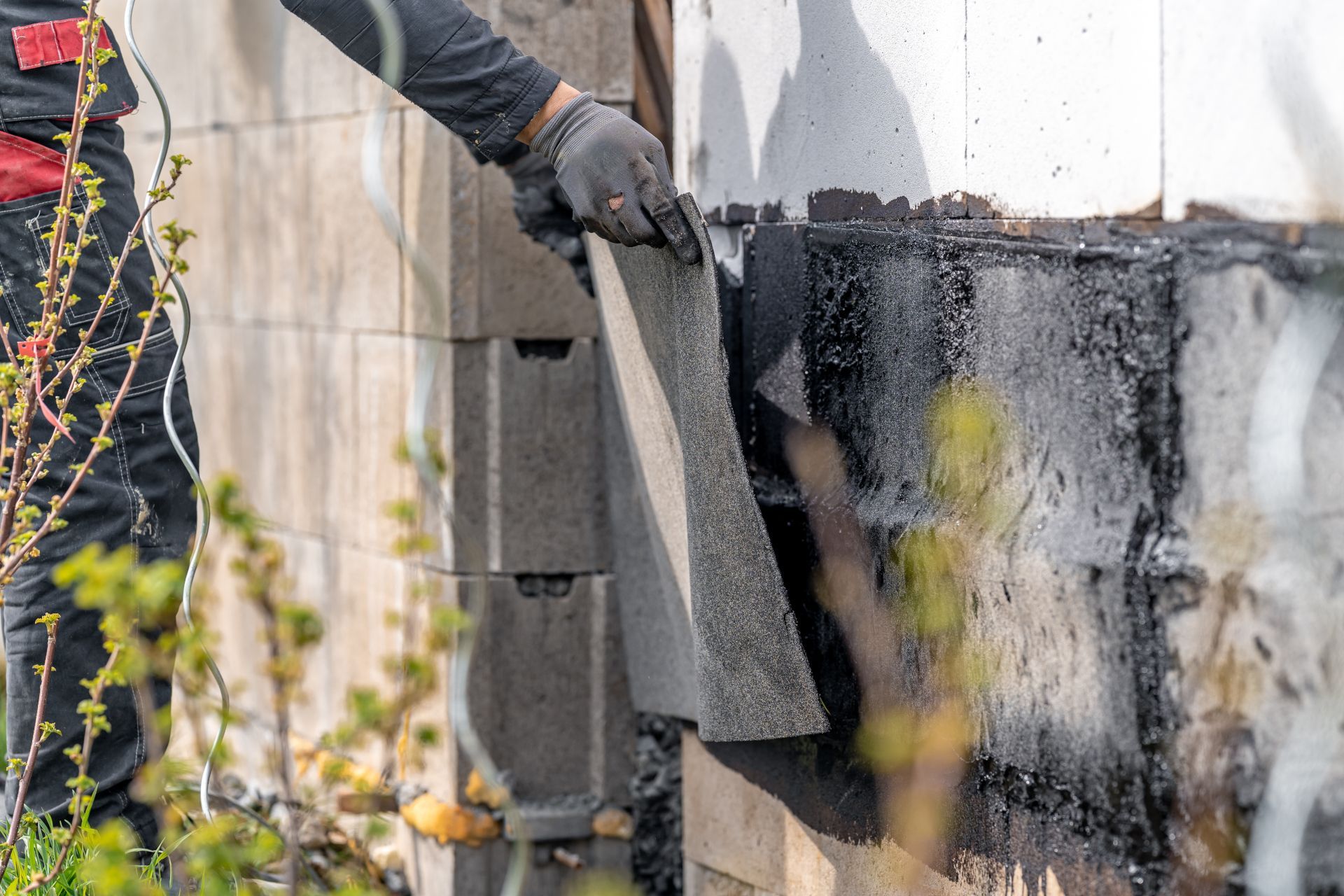
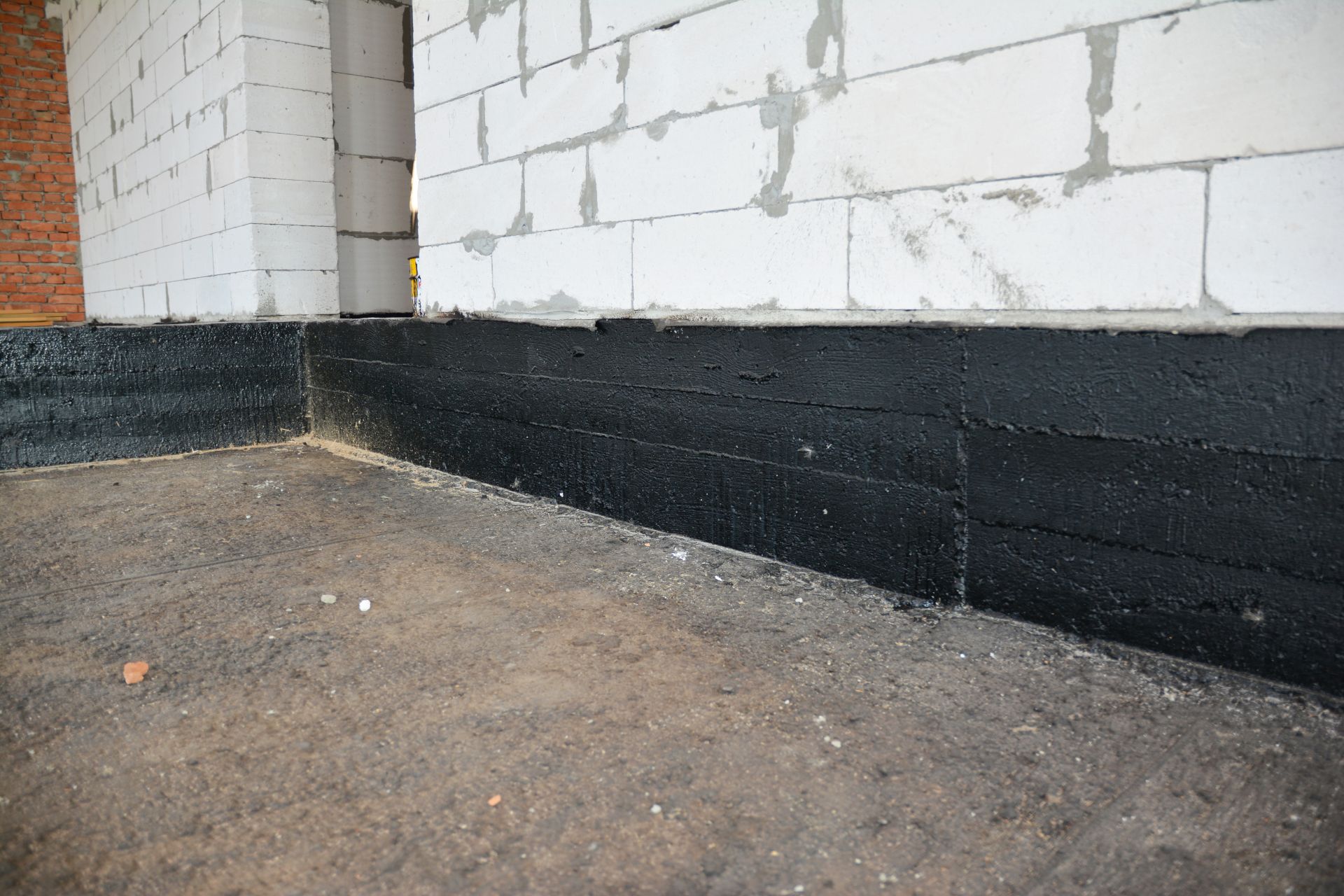
Exterior basement waterproofing involves excavating around the foundation to apply a rubberized membrane directly to the exterior wall surface, paired with a new exterior drain tile system that redirects water away from the foundation before it ever reaches the wall. This method is more invasive but provides longer-lasting protection for homes in Cascade and Grand Rapids with significant grading challenges.
Crack Injection and Sealing
Epoxy and polyurethane injection seals active foundation cracks from the inside out, restoring structural integrity while stopping water infiltration at the source, and is frequently paired with broader basement waterproofing work as a targeted repair.
Sump Pump and Drainage Upgrades
Battery backup systems, water-powered backup pumps, and dual-pump configurations protect basement waterproofing investments during the extended power outages that follow Kent County ice storms.
Why Grand Rapids and Kent County Soil Conditions Matter
Kent County's mix of clay and glacial till soil retains water rather than allowing it to drain naturally, which increases hydrostatic pressure against foundation walls throughout the year. This soil composition is a primary reason basement waterproofing in Grand Rapids requires a different approach than sandier regions of the state. Homes in Wyoming and Kentwood built on reclaimed wetland areas face particularly high water tables, making basement waterproofing an essential part of long-term home maintenance rather than a one-time repair.
Seasonal Water Table Fluctuation
Spring snowmelt combined with saturated ground typically produces the highest water table levels of the year, which is when most basement waterproofing systems are put to their hardest test.
The Basement Waterproofing Process, Start to Finish
Waterproofing Basements Walls begins every project with a foundation assessment, checking grading, gutter downspout placement, existing drainage, and wall condition. From there, the basement waterproofing plan is built around the specific water entry points identified, whether that means interior drain tile installation, exterior membrane application, crack injection, or sump pump replacement. Most interior basement waterproofing projects are completed within one to three days, while exterior excavation work may
take three to five days depending on foundation size and access.
Get a basement waterproofing estimate for your Grand Rapids property.
Frequently Asked Questions
How much does basement waterproofing cost in Grand Rapids?
Costs vary based on whether interior or exterior methods are used, the length of foundation wall needing treatment, and whether crack repair or sump pump replacement is included, but most homeowners receive a itemized estimate after an on-site assessment.
How long does basement waterproofing take to complete?
Interior drainage system installation typically takes one to three days, while exterior excavation and membrane application can take three to five days depending on the size of the foundation and yard access.
Is interior or exterior basement waterproofing better?
Interior systems are generally less invasive and more affordable for finished basements, while exterior systems address water before it reaches the foundation wall at all, making the right choice dependent on the specific home's water intrusion pattern.
Can basement waterproofing be done in the winter?
Interior basement waterproofing can be performed year-round since it doesn't require excavation, while exterior waterproofing is typically scheduled outside of frozen ground conditions common in Michigan winters.
Does basement waterproofing increase home value?
A documented basement waterproofing system with warranty coverage is often viewed favorably during home inspections and can prevent price negotiations related to moisture damage.
What causes basement walls to leak in Grand Rapids?
Clay-heavy soil, high water tables during spring thaw, poor exterior grading, and clogged or disconnected gutter downspouts are the most common causes of basement wall leaks in the Grand Rapids area.
How do I know if I need crack injection or full waterproofing?
A single small, non-structural crack with minor seepage may only need injection, while multiple cracks, bowing walls, or recurring flooding typically indicate a full basement waterproofing system is needed.
Will a sump pump alone fix my wet basement?
A sump pump manages water that has already entered the basin but doesn't stop water from penetrating walls or the slab, so it's usually paired with drain tile and vapor barrier installation for complete basement waterproofing.
How often should a sump pump be tested?
Sump pumps should be tested at least twice a year, ideally before spring snowmelt and after fall rains, to confirm the pump and backup battery are functioning before high water table season.
Does homeowners insurance cover basement waterproofing?
Most standard homeowners insurance policies don't cover basement waterproofing as preventative maintenance, though water damage from a sudden pipe failure may be covered separately depending on the policy.
What is the lifespan of a basement waterproofing system?
Interior drain tile systems typically last 20 to 30 years, while exterior membrane waterproofing can last 30 years or more when installed with proper drainage and maintained gutter systems.