Wall Waterproofing in Wyoming, MI: Sealing Out Moisture for Good
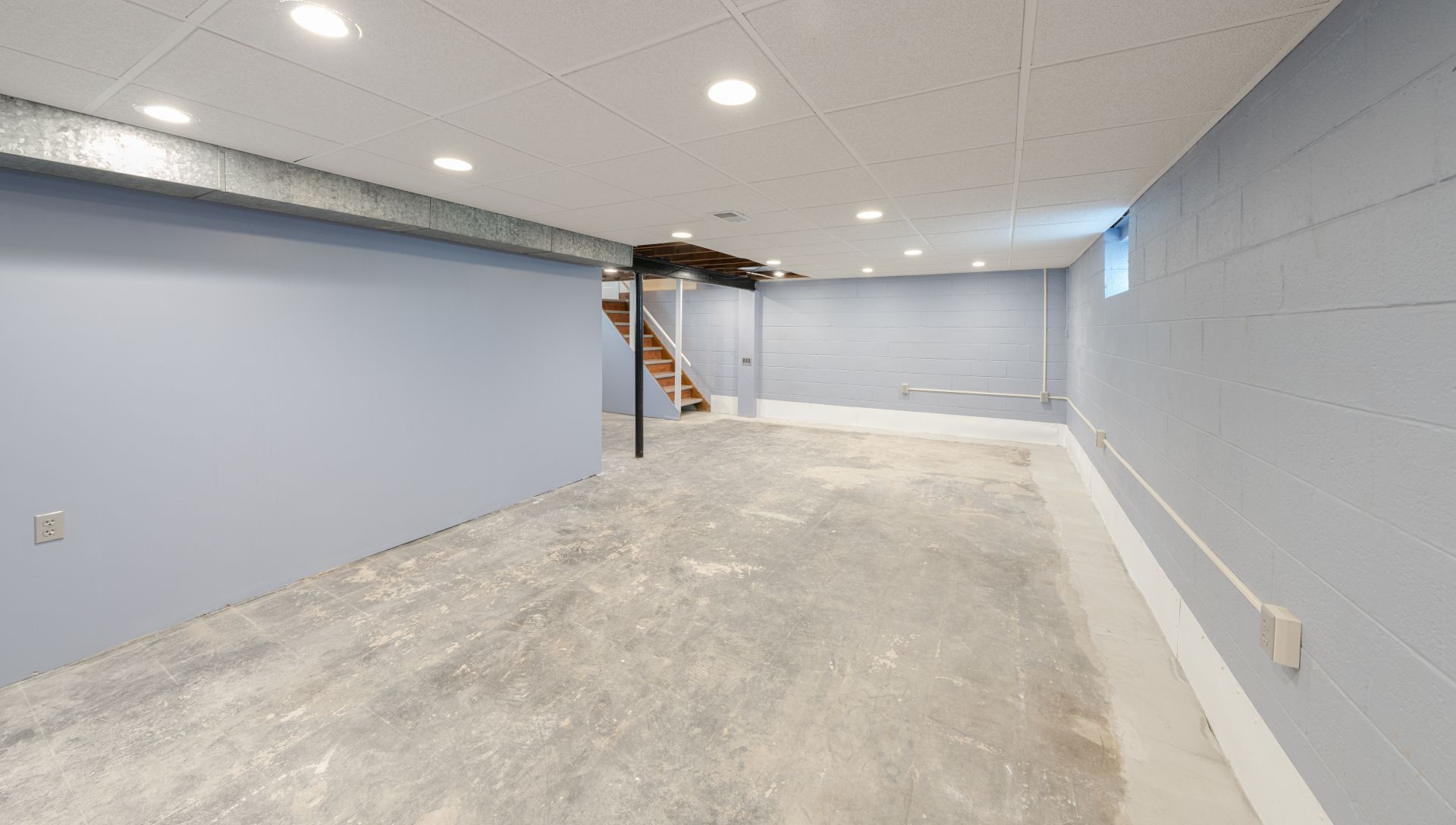
Basement and foundation walls take on constant pressure from Kent County's clay soil, and once water finds a path through concrete or block, it rarely stops at a single spot. Waterproofing Basements Walls provides wall waterproofing in Grand Rapids, Wyoming, Cascade, Kentwood, and throughout Kent County, using interior sealants, exterior membrane coatings, and targeted crack and joint repair to keep walls dry through Michigan's wet seasons and freeze-thaw cycles.
Schedule a wall waterproofing inspection for your Grand Rapids property.
Why Walls Are the First Point of Water Intrusion
Basement and foundation walls are in direct, constant contact with surrounding soil, which makes them the most common entry point for groundwater in a home. Wall waterproofing addresses the porous nature of concrete and concrete block, both of which absorb moisture over time even without visible cracking. In Grand Rapids, wall waterproofing becomes especially important because the region's clay-heavy soil holds water against foundation walls far longer than sandier soil types found elsewhere in Michigan. Concrete block walls present a particular challenge for wall waterproofing since water can travel horizontally through the hollow cores of the blocks, entering at one point and appearing several feet away along the base of the wall. Poured concrete walls are less porous overall but develop cold joints and shrinkage cracks during curing that become long-term wall waterproofing concerns if left untreated.
Cold Joints and Construction Seams
The horizontal seam where a foundation footing meets the wall pour, known as a cold joint, is one of the most common sources of water intrusion addressed during wall waterproofing projects.
Recognizing When Your Walls Need Waterproofing
Wall waterproofing is often needed well before a homeowner notices standing water, since moisture typically moves through walls gradually. Discoloration, staining, or a chalky white residue on the wall surface are early indicators that wall waterproofing should be addressed. A musty smell that persists even after cleaning is another sign that moisture is moving through the wall material itself rather than sitting on the surface.
Visual Indicators on Interior Walls
Peeling paint, blistering drywall, and soft or crumbling mortar joints in block walls all point to ongoing moisture infiltration that wall waterproofing is designed to stop.
Structural Indicators
Bowing, leaning, or stair-step cracking in block walls signals that hydrostatic pressure has been pushing against the wall for an extended period, and wall waterproofing in these cases is typically paired with structural reinforcement to address both the water and the movement.
Interior and Exterior Wall Waterproofing Solutions
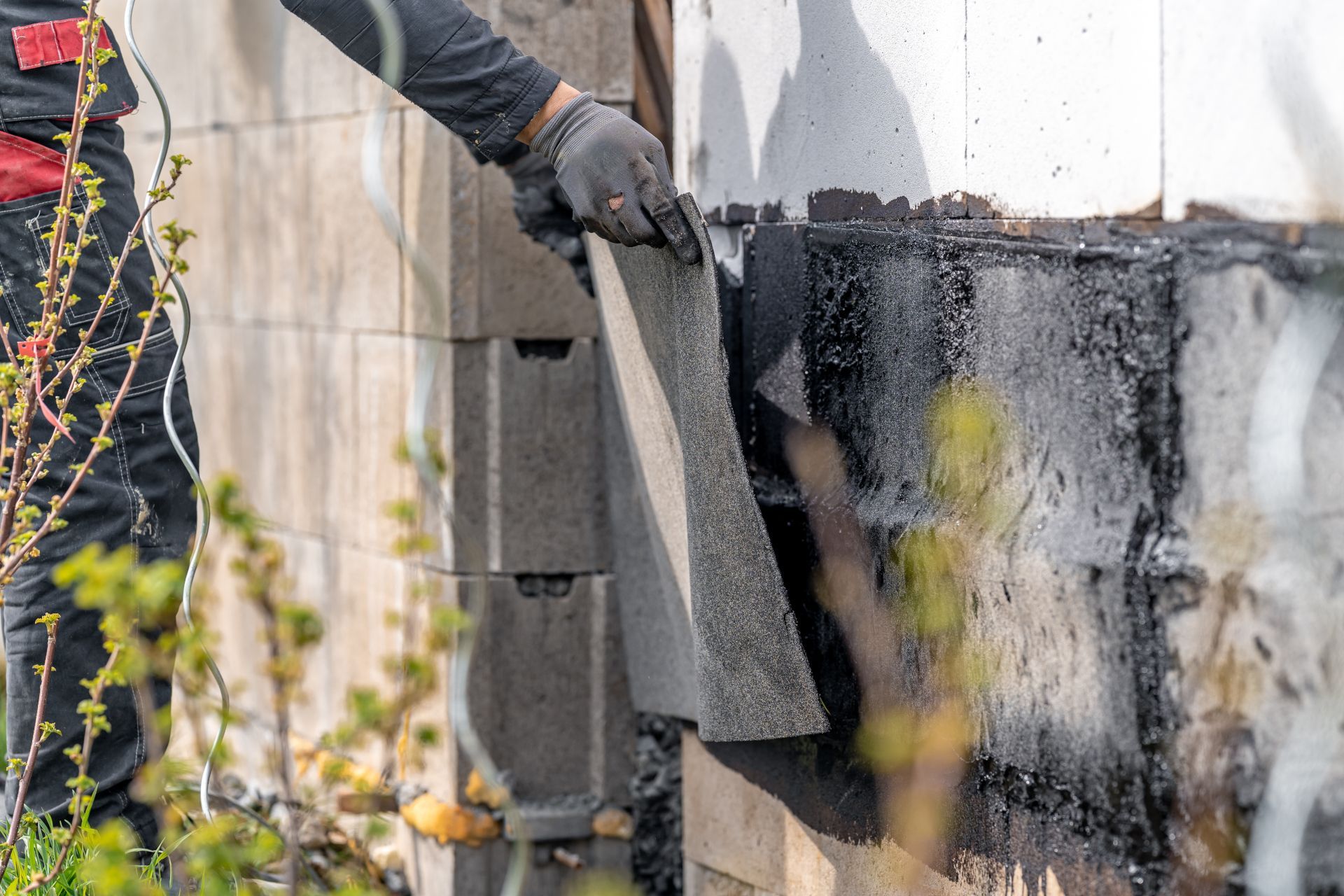
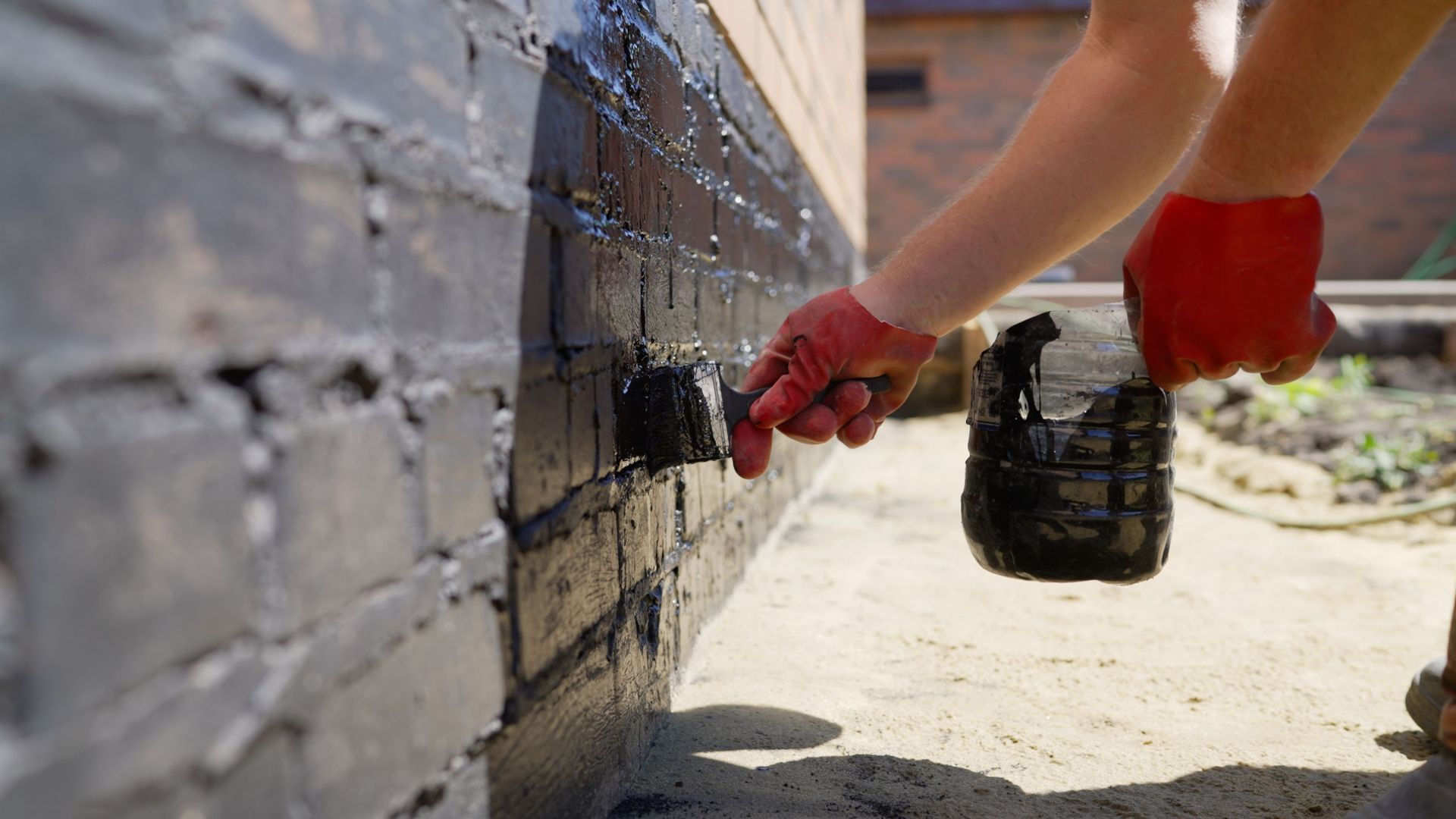
Interior wall waterproofing typically involves applying a breathable masonry sealant or coating directly to the interior surface of basement walls, paired with a perimeter drain system beneath the floor to manage any water that continues to migrate through the wall material. This approach is common for finished basements in Kentwood and Wyoming where exterior excavation would disrupt landscaping or hardscaping. Exterior wall waterproofing involves excavating along the foundation to expose the wall surface, then applying a rubberized membrane or liquid-applied coating that creates a continuous barrier against soil moisture. This method stops water before it ever reaches the wall material, making it the more permanent wall waterproofing solution for homes with a documented history of leaks or staining.
Joint and Crack Sealing
Hydraulic cement and polyurethane injection are used to seal cracks and joints identified during a wall waterproofing assessment, stopping active water flow before broader sealant or membrane application begins.
Wall Reinforcement Options
Carbon fiber strapping and steel wall anchors are installed alongside wall waterproofing when bowing has already occurred, stabilizing the wall while the waterproofing system manages ongoing moisture pressure.
Wall Waterproofing Considerations for Kent County Homes
Kent County's clay soil composition and seasonal water table fluctuations mean that wall waterproofing needs to account for sustained pressure rather than occasional flooding events. Homes in Cascade situated on sloped lots often see concentrated water flow against one section of foundation wall, requiring targeted wall waterproofing rather than a uniform approach across the entire perimeter. Older homes throughout Grand Rapids with original mortar joints from decades of settling may need more extensive wall waterproofing preparation before sealants or membranes can properly adhere.
Age of Home and Wall Material
Homes built before 1970 in Kent County frequently have block walls with deteriorated mortar, requiring joint repointing as a preparatory step before wall waterproofing coatings or membranes are applied. Get a wall waterproofing estimate for your Grand Rapids home.
Frequently Asked Questions
How much does wall waterproofing cost in Grand Rapids?
Cost depends on whether interior or exterior methods are used, the square footage of wall being treated, and whether crack repair or reinforcement is needed, with an accurate quote provided after an on-site evaluation.
What is the difference between wall waterproofing and basement waterproofing?
Wall waterproofing focuses specifically on sealing the wall surface and structure itself, while basement waterproofing is a broader term that can include floor drainage, sump systems, and vapor barriers throughout the space.
How long does wall waterproofing last?
Interior sealant coatings typically last 10 to 15 years, while exterior membrane wall waterproofing can last 25 to 30 years when paired with proper exterior grading and drainage maintenance.
Can wall waterproofing be applied to block walls?
Yes, wall waterproofing for block walls typically includes mortar joint repair and often core-filling in addition to sealant or membrane application, since water can travel through the hollow cores of the block itself.
Do I need to excavate for wall waterproofing?
Interior wall waterproofing doesn't require excavation, while exterior methods do, and the right choice depends on whether water needs to be stopped before it reaches the wall or managed after it has already penetrated.
What causes staining and discoloration on basement walls?
Efflorescence, mineral deposits left behind as water evaporates through concrete or block, is the most common cause of white or chalky staining and typically indicates wall waterproofing is needed.
Is wall waterproofing paint effective on its own?
Waterproofing paint can reduce surface moisture and minor dampness but doesn't address active water intrusion from hydrostatic pressure, which typically requires a more complete wall waterproofing system including drainage.
How do I know if my wall bowing is serious?
Bowing greater than one inch over an eight-foot wall section, or bowing accompanied by horizontal cracking, generally indicates structural concern requiring both wall waterproofing and reinforcement.
Can wall waterproofing be done in cold weather?
Interior wall waterproofing can generally be performed year-round, while exterior methods are typically scheduled outside of frozen ground conditions common during Michigan winters.
Does wall waterproofing help with basement odors?
Yes, since musty basement odors are frequently caused by moisture moving through wall material, addressing the source through wall waterproofing typically resolves the odor along with the underlying moisture issue.
How often should basement walls be inspected for waterproofing needs?
An annual inspection, particularly after spring snowmelt, helps identify early signs that wall waterproofing is needed before staining or structural movement becomes significant.