Foundation Waterproofing in Wyoming, MI: Stopping Water at the Source
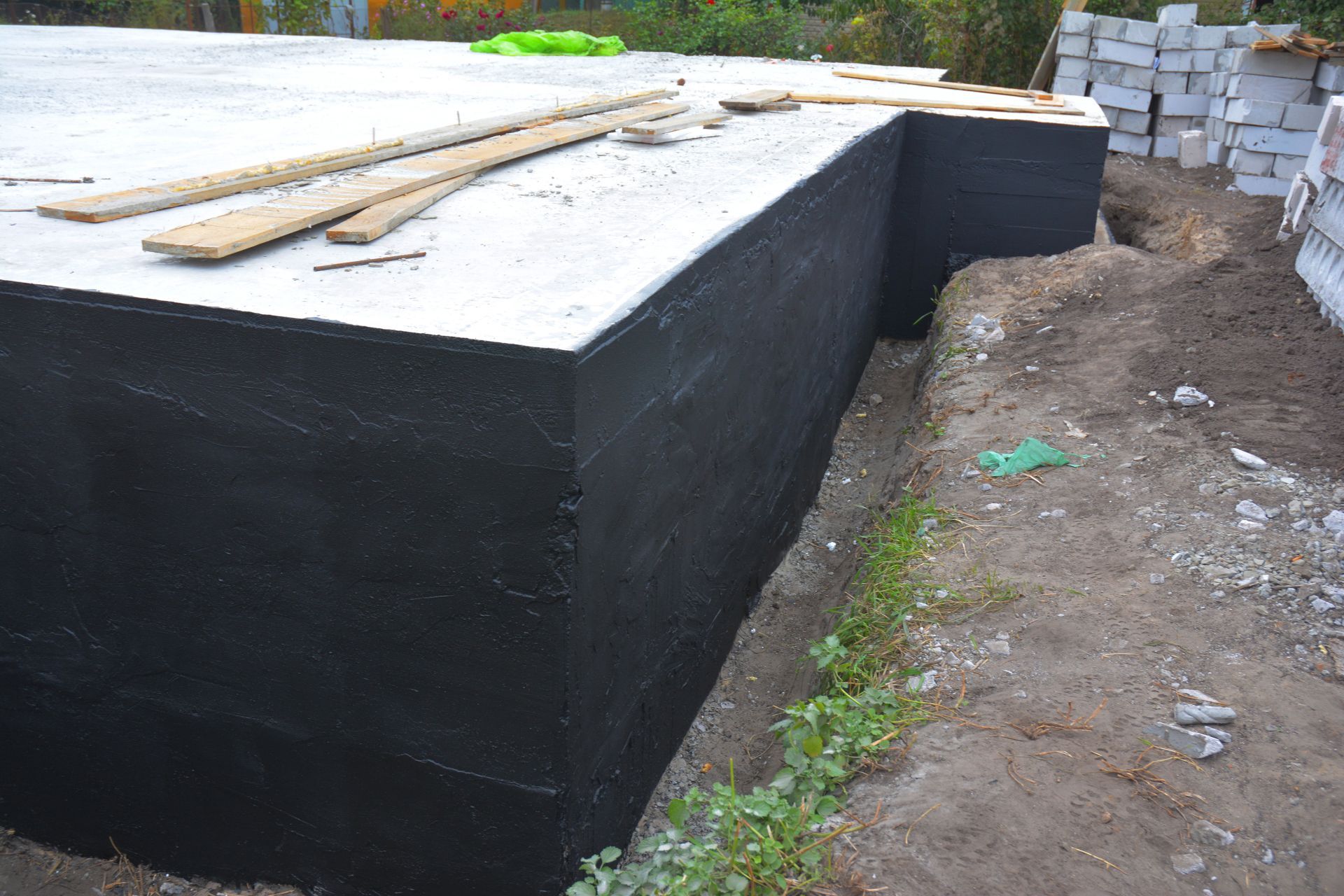
A home's foundation carries the weight of the entire structure above it, and once water begins working against that foundation, the damage rarely stays contained to one wall or corner. Waterproofing Basements Walls provides foundation waterproofing in Grand Rapids, Wyoming, Cascade, Kentwood, and across Kent County, combining exterior membrane systems, foundation drain tile, and structural crack repair to keep Michigan homes protected from the clay soil and seasonal water table shifts that put constant pressure on concrete and block foundations.
Schedule a foundation waterproofing assessment for your Grand Rapids home.
What Foundation Waterproofing Actually Involves
Foundation waterproofing is a broader process than sealing a few cracks. It addresses the entire perimeter of a home's foundation, including the wall-to-footing joint where water most commonly enters, the grading and drainage patterns around the exterior, and the internal drainage capacity that manages any water that does get through. In Grand Rapids, foundation waterproofing typically starts with excavation down to the footing, application of a rubberized or bituminous membrane to the exterior wall, and installation of a new drain tile system that carries water away from the foundation before it can build up hydrostatic pressure. Foundation waterproofing differs by construction type. Poured concrete foundations generally accept membrane application more evenly, while concrete block foundations require additional attention to mortar joints, which are common entry points for water. Older stone and fieldstone foundations, still found in some Kent County homes built before the 1950s, often need a modified foundation waterproofing approach that accounts for irregular surfaces and aging mortar.
Footing Drain Assessment
Before any foundation waterproofing membrane is applied, the existing footing drain, if one exists, is inspected for collapse, siltation, or disconnection from the discharge point, since a failed footing drain undermines even a well-installed membrane.
Warning Signs Your Foundation Needs Waterproofing
Foundations rarely fail suddenly. Most Grand Rapids homeowners notice gradual signs that foundation waterproofing has become necessary well before any dramatic failure occurs. Cracks that widen over several seasons, particularly horizontal cracks in poured walls, indicate that hydrostatic pressure is actively working against the foundation and that foundation waterproofing paired with structural reinforcement may be needed.
Exterior Signs to Watch
Settling or sinking soil directly against the foundation wall, gaps forming between the foundation and adjacent walkways or patios, and visible efflorescence on the exterior concrete surface all suggest water is moving through the foundation and that foundation waterproofing should be evaluated.
Interior Signs to Watch
Doors and windows that stick or no longer close properly, uneven or sloping floors near foundation walls, and persistent dampness along the base of interior walls often trace back to a foundation that needs waterproofing rather than a cosmetic repair.
Exterior Membrane and Drain Tile Systems
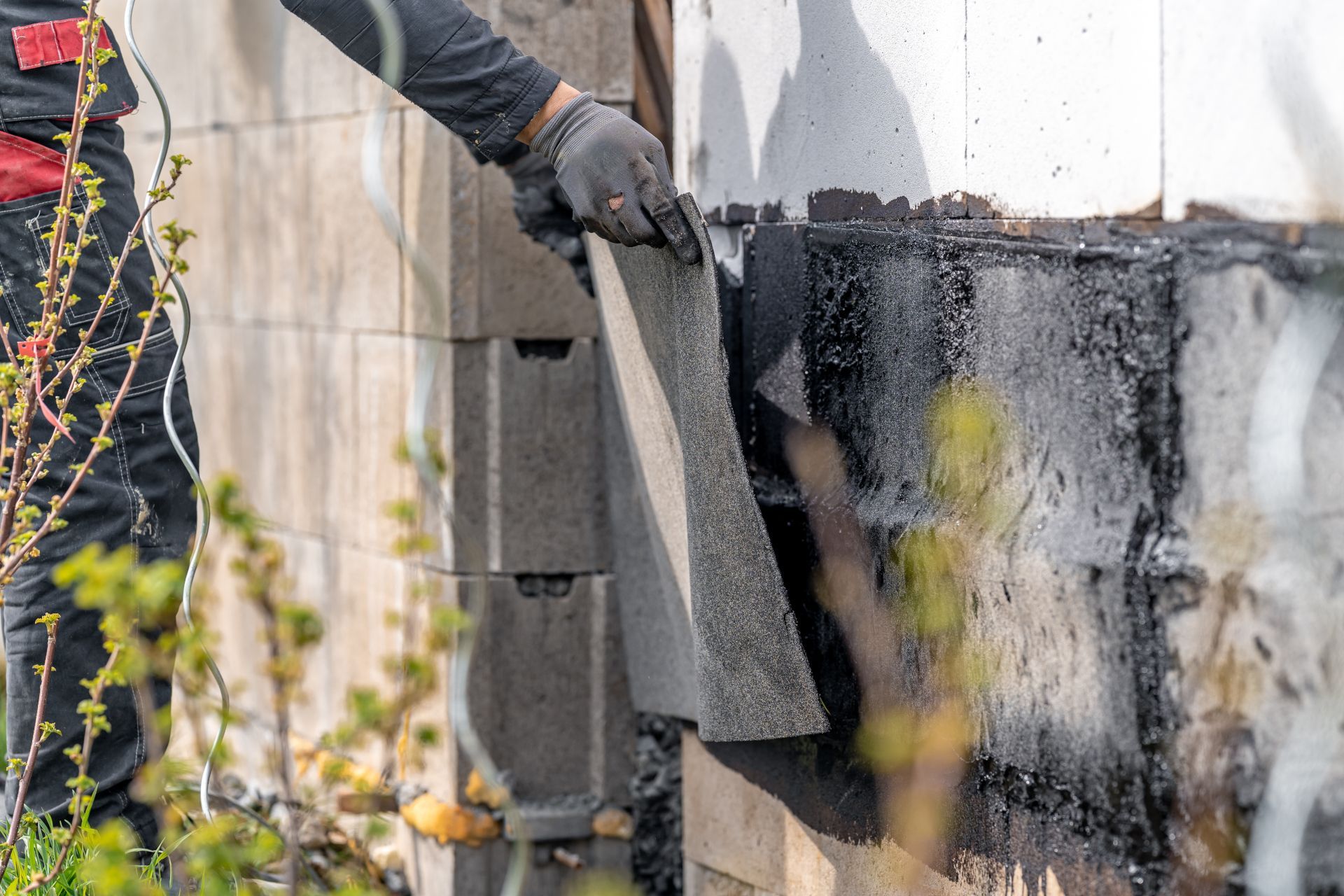
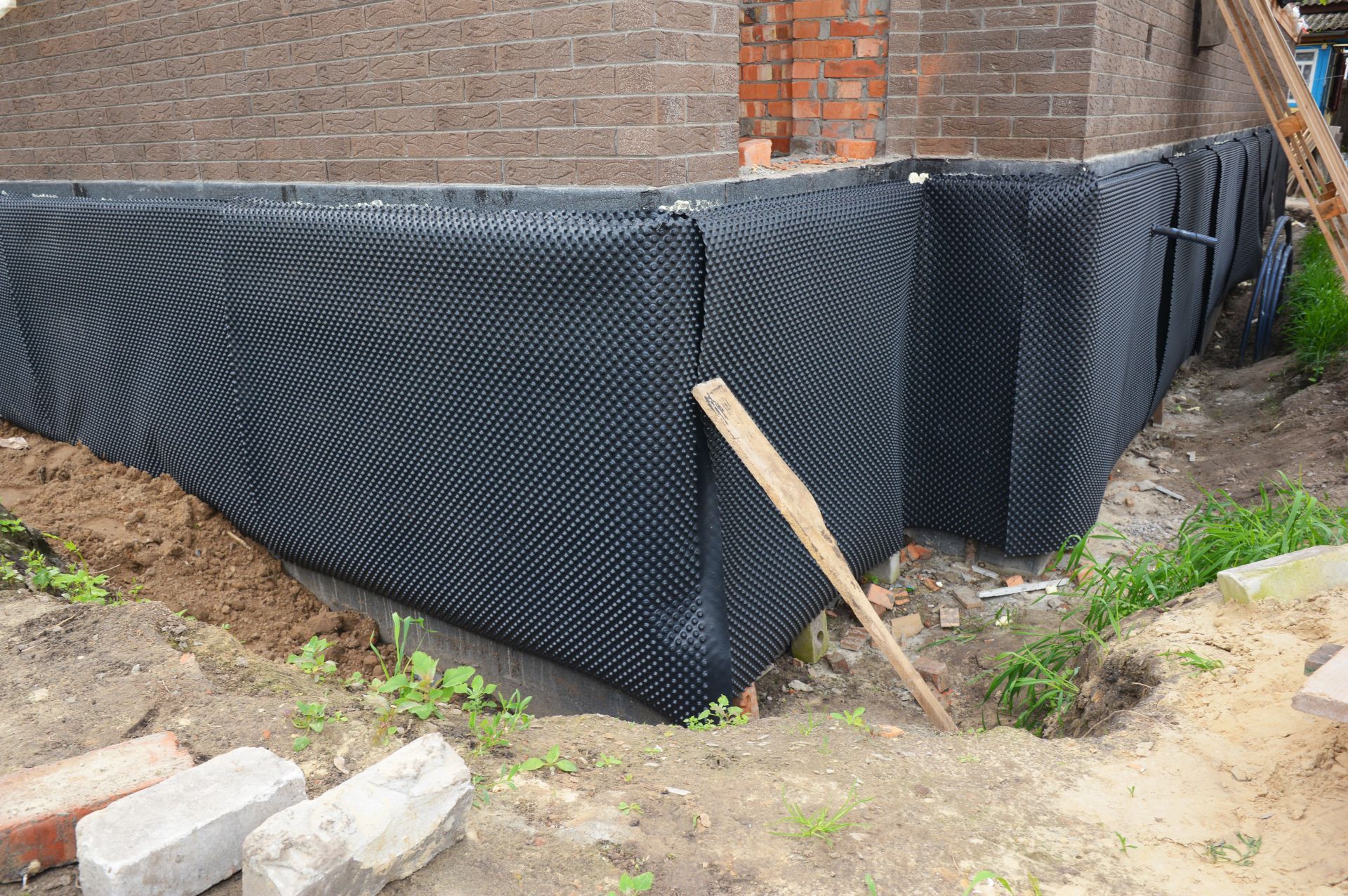
The most durable foundation waterproofing method available is full exterior excavation paired with membrane application and new drain tile installation. Waterproofing Basements Walls excavates around the affected foundation sections, cleans and repairs the wall surface, then applies a rubberized asphalt or polymer-modified membrane that creates a continuous water barrier from footing to grade level. A new perforated drain tile is placed at the footing level, wrapped in filter fabric, and connected to either a gravity discharge point or a sump system, completing the foundation waterproofing installation.
This approach is particularly effective for homes in Cascade and Grand Rapids situated on sloped lots, where water naturally flows toward the foundation from higher ground. Foundation waterproofing in these locations often includes additional exterior grading corrections and downspout extensions to reduce the volume of water reaching the membrane system in the first place.
Interior Reinforcement Options
Carbon fiber straps, steel I-beams, and wall anchor systems are sometimes installed alongside foundation waterproofing when bowing or significant lateral movement has already occurred, restoring structural stability while the exterior system manages water intrusion.
Foundation Waterproofing for Kent County's Soil and Climate
Kent County's clay-dense soil retains moisture far longer than sandier soil types, which means foundations here experience sustained hydrostatic pressure for extended periods each year, particularly during spring thaw and after heavy fall rains. This is a central reason foundation waterproofing in Grand Rapids requires more robust drainage planning than in regions with faster-draining soil. Homes in Wyoming and Kentwood built on lower-lying lots or reclaimed wetland areas face elevated water tables for much of the year, making foundation waterproofing less of an optional upgrade and more of a necessary long-term investment in the structure's stability.
Freeze-Thaw Cycle Impact
Michigan's freeze-thaw cycles cause soil to expand and contract repeatedly through winter and early spring, and this movement can widen existing foundation cracks or create new stress points, which is why foundation waterproofing timing is often planned around seasonal conditions.
Get a foundation waterproofing estimate before the next freeze-thaw season.
Frequently Asked Questions
How much does foundation waterproofing cost in Grand Rapids?
Cost depends on the length of foundation wall requiring excavation, whether drain tile replacement is included, and the extent of any structural repair needed, with pricing typically provided after an on-site assessment.
How long does foundation waterproofing take?
Exterior foundation waterproofing generally takes three to seven days depending on the length of wall being excavated and the complexity of drainage work involved.
Can foundation waterproofing be done without excavation?
Interior methods, including drain tile installation and crack injection, can address foundation waterproofing needs without exterior excavation, though they don't stop water from reaching the wall itself the way exterior membrane systems do.
What is the difference between foundation waterproofing and basement waterproofing?
Foundation waterproofing focuses specifically on the structural foundation walls and footing, while basement waterproofing often includes broader interior moisture management like vapor barriers and sump systems within the finished or unfinished space.
How do I know if my foundation cracks are serious?
Cracks wider than a quarter inch, horizontal cracks, or cracks accompanied by wall bowing typically indicate structural movement and should be evaluated for foundation waterproofing and reinforcement rather than simple patching.
Does foundation waterproofing stop existing cracks from growing?
Foundation waterproofing addresses water intrusion, but active structural cracks often require separate reinforcement, such as carbon fiber strapping, to stop further movement.
What causes foundation water damage in Grand Rapids?
Clay soil composition, seasonal water table rise, poor exterior grading, and freeze-thaw cycles are the leading causes of foundation water intrusion throughout Kent County.
Is foundation waterproofing covered by insurance?
Standard homeowners insurance typically doesn't cover foundation waterproofing as preventative work, though damage from a sudden and accidental event may be covered depending on the specific policy.
How often should a foundation be inspected for waterproofing needs?
An annual inspection, ideally in early spring after snowmelt, helps catch foundation waterproofing needs before minor issues become major structural repairs.
Can I sell my home if the foundation needs waterproofing?
Homes can be sold with foundation issues disclosed, but completing foundation waterproofing beforehand often prevents price renegotiation during the inspection period of a sale.
What is the lifespan of a foundation waterproofing membrane?
A properly installed exterior foundation waterproofing membrane typically lasts 30 years or more when paired with functioning drain tile and well-maintained surface grading.